Floral Boot Art: A Practical Review for Graphics and Crafts Sellers
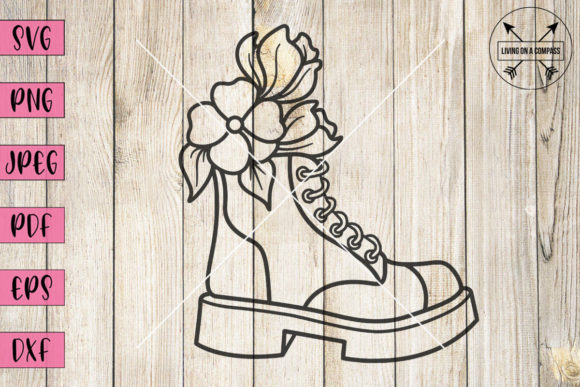
When I first opened the folder containing Floral Boot Art, my immediate reaction was one of curiosity mixed with commercial potential. As a digital product creator who has spent years analyzing assets for Etsy, print-on-demand platforms, and creative marketplaces, I know that the difference between a good design and a bestseller often lies in the details. This isn't just another generic floral clipart; it carries a specific mood that suggests a blend of rustic charm and modern botanical elegance.
The visual personality of this piece is distinct. It feels grounded yet whimsical, perfect for sellers targeting audiences who appreciate handmade aesthetics without sacrificing professional polish. Whether you are building a seasonal collection or expanding your evergreen catalog, understanding how to leverage this graphic design asset requires a strategic approach. Let's break down exactly how this design fits into a real-world shop scenario.
Evaluating the Visual Appeal and Niche Fit
Before diving into technical specs, we must consider the buyer psychology. The Floral Boot Art design immediately evokes feelings of springtime renewal, country living, or perhaps a love for gardening and outdoor hobbies. It strikes a balance that appeals to a broad demographic: from young mothers looking for nursery prints to seasoned crafters seeking unique SVG files for their machines.
In the crowded world of Crafts and Graphics, standing out is essential. This artwork avoids the overly cutesy look that can sometimes date quickly. Instead, it offers a timeless quality that works well for year-round sales or specific seasonal pushes like Mother's Day, Easter, or garden season launches. The hand-drawn nature of the lines adds warmth, which translates beautifully into physical products where texture and detail matter.
Real-World Application Across Product Lines
Imagine you are preparing a new launch for your online store. How does Floral Boot Art integrate into your workflow? The versatility of the file formats provided—Original Hand-drawn digital artwork in SVG, JPEG, PNG, EPS, DXF, and PDF format—opens up a multitude of revenue streams. You aren't limited to just one type of merchandise.
- Apparel and Accessories: Use the vector files for t-shirt designs, tote bag prints, or mug wraps. The clean lines ensure that sublimation transfers look crisp on dark fabrics, while the PNG version with transparency allows for seamless integration onto complex backgrounds.
- Digital Downloads: Create printable wall art bundles for home decor enthusiasts. You could also package this as part of a larger scrapbooking kit or digital paper pack, offering high value to customers who want to create their own layouts.
- Event Planning: Design invitation templates, greeting cards, or banner graphics for baby showers and bridal events. The elegant aesthetic pairs perfectly with script fonts to create a cohesive brand identity for event planners.
- Small Business Branding: Incorporate the design into packaging labels, social media graphics, or blog headers. For a boutique selling candles or soaps, this image could serve as a central logo element or a decorative accent on product tags.
The compatibility mentioned in the source material—working seamlessly with Cricut Design Space, Silhouette Studio, laser machines, and other programs—is a critical factor. It means your customers won't face frustration when trying to cut the design. By providing these versatile formats, you reduce support tickets and increase customer satisfaction, which directly impacts your shop's reputation.
Strategic Testing Before Publishing
As an experienced seller, I never upload a design without stress-testing it first. Here is how I would approach Floral Boot Art before listing it on a creative marketplace.
First, check the visual hierarchy. Does the boot shape dominate the composition, or do the flowers compete for attention? In a thumbnail view, the main subject must be recognizable instantly. I recommend creating a mockup preview where the design is placed on a light-colored background to ensure the contrast remains strong. If the design relies heavily on fine details, test it at a smaller size to see if any elements get lost.
Next, verify the technical integrity. Open the SVG file in your preferred software and inspect the cut paths. Are there any stray points or overlapping layers that might cause cutting errors? For laser cutting projects, the DXF file needs to be clean. Similarly, check the resolution of the JPEG and PNG files. While the source claims high quality, seeing it printed at actual size (like on a standard 8x10 photo) confirms whether it meets the standards for printable design buyers.
Optimizing for Marketplaces and Social Media
Once the files are verified, the focus shifts to presentation. Your product mockup is the first thing a potential buyer sees. Using Floral Boot Art in a lifestyle setting can significantly boost click-through rates. Imagine the design on a rustic wooden sign hanging on a porch, or on a ceramic tumbler filled with coffee. These scenarios help the buyer visualize the end result.
For Canva template sellers, this asset is a goldmine. You can place the PNG version into pre-made frames, add text overlays, and offer customizable invitations or quote graphics. However, be mindful of the licensing terms. Ensure you have the correct commercial license to sell finished products made with this design. Most reputable assets allow for this, but verifying the specifics protects your business from legal issues.
When creating listings, use the various formats to showcase different use cases. Show the SVG for Cricut users, the EPS for professional designers, and the PDF for easy printing. This demonstrates the depth of the design bundle and justifies a higher price point. Grouping this item with complementary designs, such as matching leaves or simple geometric shapes, can create a themed collection that encourages multiple purchases.
Potential Pitfalls and Best Practices
No asset is perfect for every single application. There are situations where Floral Boot Art should be used with caution. Avoid placing intricate details on tiny sticker designs unless the resolution is exceptionally high. Small text or delicate flower petals may become illegible when scaled down too much.
Be wary of using the design on dark backgrounds without adjusting the colors or adding a border. The original artwork likely features lighter tones that might disappear against black or navy blue surfaces. Always test the color contrast to maintain readability. Additionally, if you are creating a text-heavy template, ensure the floral elements do not clutter the space where the user will type their custom content.
To elevate the perceived value, pair this illustration with thoughtful typography. A serif font can enhance the classic feel, while a bold sans-serif font can make it more modern. Experiment with handwritten fonts to emphasize the "hand-drawn" aspect of the original artwork. This attention to typographic pairing signals professionalism and builds trust with your audience.
Final Thoughts for the Digital Entrepreneur
In conclusion, Floral Boot Art represents a solid addition to any digital inventory. Its diverse file formats and compatible structure make it a practical choice for creators looking to expand their offerings in the digital download and crafts sectors. By treating it as a core component of a broader strategy rather than a standalone item, you can maximize its impact.
Whether you are launching a new line of t-shirt designs, updating your planner stickers, or refreshing your social media graphics, this asset provides the visual foundation needed to tell a compelling story. Take the time to test it thoroughly, present it beautifully, and respect the licensing guidelines. With the right execution, this design can become a staple in your shop, driving traffic and sales for seasons to come.