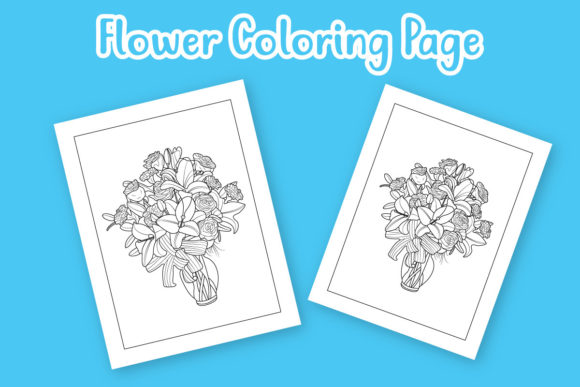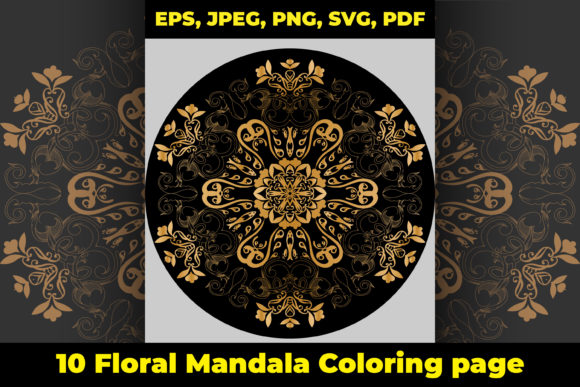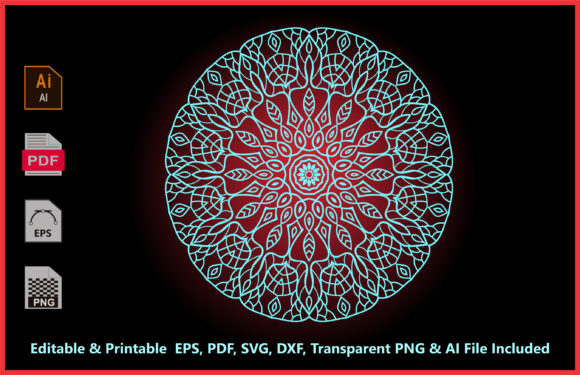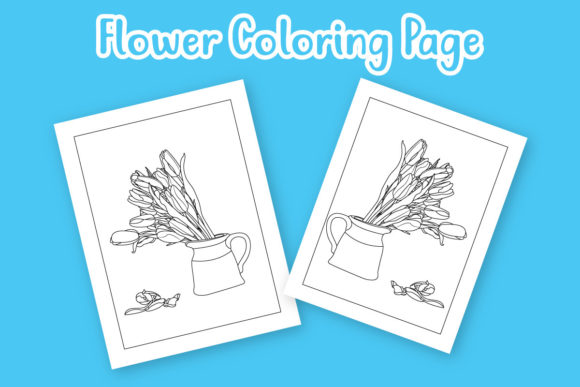
Floral Hand Drawn Flower Line Art Design Graphics & Coloring Pages
I recently received a request from a boutique skincare brand owner to create a cohesive visual identity for her new seasonal launch. She wanted something that felt organic, handcrafted, and approachable, yet professional enough to sit alongside high-end packaging in a retail environment. After reviewing dozens of assets, I decided to test Floral Hand Drawn Flower Line Art Design as the core element for this project. As a designer who frequently navigates the space between creative expression and commercial viability, my initial reaction was one of cautious optimism. The asset promised a delicate aesthetic, but the real question was whether it could hold up under the rigorous demands of branding, marketing visuals, and print-on-demand production.
The Mood and Visual Personality
When I first opened the file, the immediate impression was one of soft elegance. The line work is not rigid or overly geometric; instead, it carries the subtle imperfections of a human hand, which is exactly what this client needed to convey authenticity. This graphic design asset creates a mood that is inviting and warm, perfectly suited for handmade businesses, small business branding, and lifestyle campaigns. It avoids the cold sterility of vector-heavy corporate art, offering a more emotional connection with the audience.
The style naturally fits into categories like editorial design, social media graphics, and printable wall art. However, it requires careful consideration regarding visual hierarchy. Because the lines are intricate, they demand breathing room. If you place this illustration over a busy background or compress it too tightly, the delicate details will vanish, leading to a muddy appearance. For a clean, modern design approach, this asset works best when used as a hero graphic or a decorative accent on a solid, light-colored background.
Real-World Application: From Packaging to Print
In our specific project scenario, we utilized Floral Hand Drawn Flower Line Art Design to develop product labels and t-shirt designs. The versatility of the file allowed us to scale the elements without losing resolution, a critical factor for any commercial design project. We tested the asset on various mockups, including tote bags, mugs, and sticker designs. The results were impressive; the lines remained crisp even when reduced to a small size for a jar label.
For a digital seller or Etsy product creator, the ability to customize these elements without pixelation is a game-changer. We integrated the floral motif into a series of Instagram posts and Pinterest pins, where it served as an effective frame for text overlays. The creative design potential extends to sublimation designs as well. When layered correctly, the line art adds depth to t-shirt prints without overwhelming the garment's color palette. Furthermore, because the file includes an editable source, we were able to adjust the spacing and orientation to fit the unique curves of a bottle label, ensuring a seamless integration with the typography.
Strategic Placement and Layout Considerations
While this asset is powerful, it is not a universal solution for every design challenge. In my experience, there are specific scenarios where Floral Hand Drawn Flower Line Art Design should be used with caution. If your project relies on strict minimalism or requires a very clean visual hierarchy, such as in professional corporate materials, this illustration might introduce too much texture. It can compete with text if not balanced properly.
Conversely, the asset excels in large layout areas where it can serve as a standalone statement piece. Imagine using it as the background for a wedding invitation or a flyer for a local event. In these contexts, the detailed line work becomes a feature rather than a distraction. It also performs exceptionally well in coloring pages and printable designs, where the user expects to engage with the lines directly. For a Cricut project or a vinyl decal, the precision of the cut paths (if exported correctly) ensures clean edges, making it ideal for crafting enthusiasts and DIY brands.
Technical Checks Before Commercial Use
Before finalizing any client deliverable, a professional designer must perform a series of technical checks. I always recommend testing the asset in black and white to ensure the contrast holds up without relying on color. This step is crucial for monochromatic branding or when preparing files for screen printing. Additionally, previewing the design at both small and large sizes helps identify any potential blurring or loss of detail.
This digital product comes with a 300 dpi print-ready file, which is essential for high-quality output. However, designers should inspect the transparency of PNG files if included, or verify the editability of SVG vectors depending on the workflow. Comparing the line weight against different font styles—such as serif fonts, sans-serif fonts, or script fonts—is also necessary to maintain brand consistency. Does the hand-drawn feel clash with a modern typeface? Often, pairing this organic illustration with a handwritten or display font creates a harmonious balance, whereas a rigid sans-serif might look disjointed.
Finally, confirming the commercial license is non-negotiable. Whether you are creating a design bundle, a Canva template, or selling on a creative marketplace, you must ensure you have the right to use the asset for client projects. The inclusion of a ready-to-upload PDF is convenient for quick deliveries, but having the editable source file provides the flexibility needed for complex adjustments.
Final Verdict for Creative Professionals
Floral Hand Drawn Flower Line Art Design has proven to be a valuable addition to my toolkit. It successfully bridges the gap between artistic charm and commercial functionality. For content creators, bloggers, and publishers looking to add a touch of warmth to their web design or marketing visuals, this asset offers a reliable way to elevate the overall impression of a project. It builds visual trust by signaling care and attention to detail.
While it may not be suitable for every single application, particularly those requiring stark minimalism, its strengths in branding, packaging design, and digital assets make it a standout choice. By understanding its limitations and leveraging its strengths, designers can create polished, engaging visuals that resonate with audiences. Whether you are launching a new product line, designing a seasonal campaign, or simply enhancing your creative portfolio, this illustration offers the flexibility and quality needed to succeed in today's competitive market.