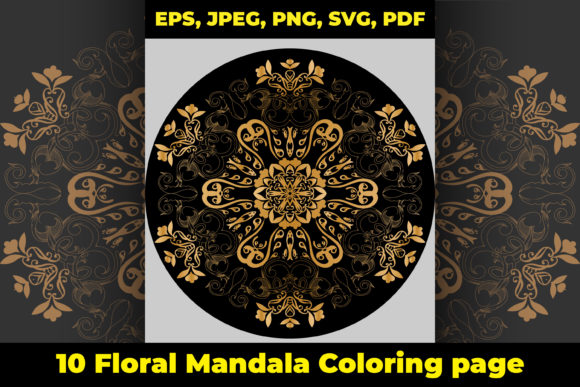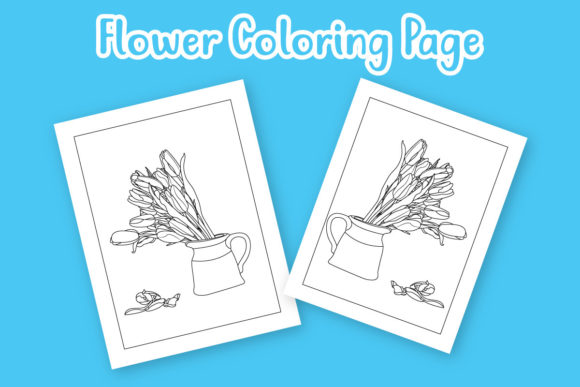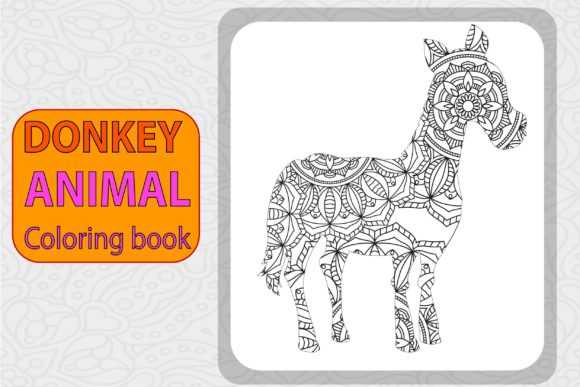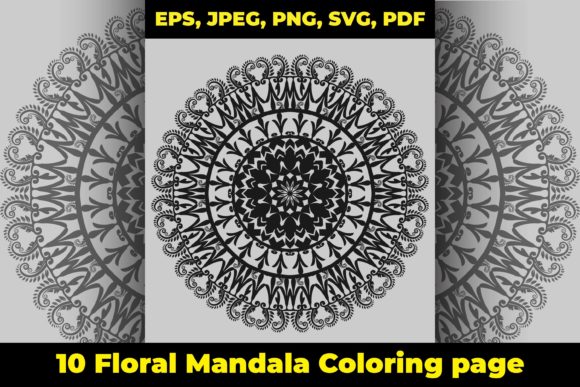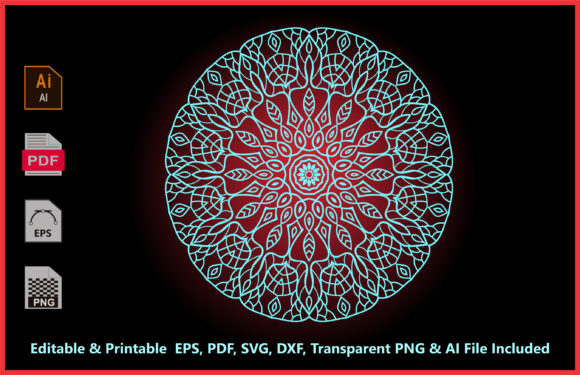
Mandala Coloring Pages and Books Design Graphics
As a brand designer who has spent years helping local businesses find their visual voice, I approach every new asset with a mix of curiosity and skepticism. We are not just looking for pretty pictures; we are looking for tools that build trust, communicate value, and drive sales. When I first reviewed Mandala Coloring Pages and Books Design, my immediate thought was not about adult relaxation or craft stores, but about how this specific graphic design asset could elevate the tactile experience of a small business’s physical touchpoints.
The mood created by these designs is intricate, meditative, and deeply decorative. It suggests a brand personality that is patient, detailed-oriented, and perhaps a bit whimsical. For a local business owner—whether you run a boutique skincare line, an artisanal bakery, or a handmade candle shop—this aesthetic leans heavily into the "handmade" and "organic" vibes. It feels premium yet accessible, avoiding the coldness of corporate minimalism while still maintaining a sense of elegance. This is not a bold, aggressive graphic; it is a soft, inviting element that encourages the customer to slow down and engage with the product.
From Digital File to Physical Product
In my recent project for a local herbal tea company, we needed to differentiate our packaging on crowded shelves. Standard minimalist labels were becoming invisible. I integrated elements similar to Mandala Coloring Pages and Books Design as background textures on our hang tags and outer boxes. The result was striking. The intricate lines caught the light differently than solid colors, creating a sense of depth and craftsmanship that aligned perfectly with our "slow living" brand identity.
This asset is incredibly versatile for packaging design. It can serve as a subtle watermark behind your logo, a border for your product label, or a full-page illustration on a thank-you card. Because these are digital files designed for such varied uses, they bridge the gap between digital product creation and physical reality. You can use them to create decorative elements in scrapbooks for client gifts, greeting cards for holiday promotions, or even as patterns for party wedding invitations if your brand extends into event styling.
Enhancing Brand Identity and Customer Trust
Strong brand identity is built on consistency and emotional connection. Using a cohesive set of design assets like mandalas helps establish a recognizable visual language. When a customer sees your product mockup featuring these intricate patterns, they subconsciously associate that detail with quality. It signals that you care about the aesthetics of your brand, which translates to perceived value.
Consider the unboxing experience. A plain cardboard box is functional, but a box adorned with elegant mandala accents feels like a gift. This is crucial for small business branding where word-of-mouth and social sharing are your primary marketing channels. When customers feel delighted by the presentation, they are more likely to post photos on Instagram or TikTok. These social media graphics and user-generated content become powerful proof of your brand's aesthetic appeal.
Furthermore, these designs support better visual hierarchy. In a busy layout containing ingredients, usage instructions, and pricing, a mandala element can act as a frame or a separator, guiding the eye naturally toward the most important information without cluttering the space. This is particularly useful for editorial design tasks like menu graphics, price lists, or flyer layouts where readability must coexist with beauty.
Strategic Applications for Local Businesses
I have found that this type of illustration works best when used strategically rather than overwhelming the entire composition. Here are the specific areas where Mandala Coloring Pages and Books Design shines:
- Product Labels and Stickers: Use as a circular seal or a corner accent to add a touch of luxury to jars, bottles, and bags.
- Packaging Accents: Apply as a foil stamp effect (in design software) or a printed pattern on tissue paper and shipping boxes.
- Thank-You Cards and Inserts: Create a warm, personal connection by including a coloring page insert that invites the customer to interact with your brand long after the purchase.
- Social Media Campaigns: Use as backgrounds for quotes, product announcements, or seasonal greetings to maintain a consistent feed aesthetic.
- Boutique Visuals: Ideal for window displays, signage, and promotional banners where you want to attract attention through intricate detail.
However, caution is required. This asset should be used carefully in contexts where clarity is paramount. Avoid placing these designs on very small labels where the details will blur. Do not use them as the primary background for ingredient-heavy layouts or legal information areas, as the intricate lines can compete with text legibility. Formal corporate branding or luxury minimalist brands that rely on stark whitespace may find these designs too ornate. Similarly, on low-contrast backgrounds, the fine lines may disappear, reducing the impact of the commercial design.
Practical Designer Notes for Implementation
Before integrating these files into your professional branding toolkit, there are several technical checks every savvy entrepreneur should perform. First, always test the asset on real product mockup scenarios. A design might look stunning on a screen but lose its definition when printed on textured kraft paper or glossy vinyl.
Check the file formats meticulously. If you need to scale the design for large format printing, ensure you have access to vector formats like SVG design files. If only raster formats like PNG design are available, inspect the transparency and resolution to avoid pixelation. Review the editability of the layers; being able to adjust colors allows you to match your exact brand palette, ensuring a unified look across all marketing visuals.
Typography pairing is also critical. Test the mandala elements beside serif fonts for a classic look, sans-serif fonts for modern clarity, script fonts for elegance, handwritten fonts for a personal touch, and display fonts for bold statements. The right font choice can balance the complexity of the illustration, creating a harmonious composition.
Finally, and most importantly, confirm your commercial license before using these assets for client work, business branding, or physical product sales. Understanding the terms of use protects your business from legal issues and ensures you are respecting the intellectual property of the original creator. Whether you source these from a creative marketplace or a dedicated clipart library, knowing your rights is part of responsible modern design practice.
In conclusion, Mandala Coloring Pages and Books Design offers more than just decoration; it offers a way to humanize your brand and create memorable experiences. By applying these graphics thoughtfully to your local business projects, you can transform ordinary products into cherished items, fostering loyalty and growth in a competitive market.